
Гид по карьере

Entry level ship jobs guide

A practical guide to cadet, trainee, GP rating, and fresher ship jobs that usually open the door to a first contract.

GuideFreshers guideFirst contract planningRU

Which jobs count as real entry-level ship roles

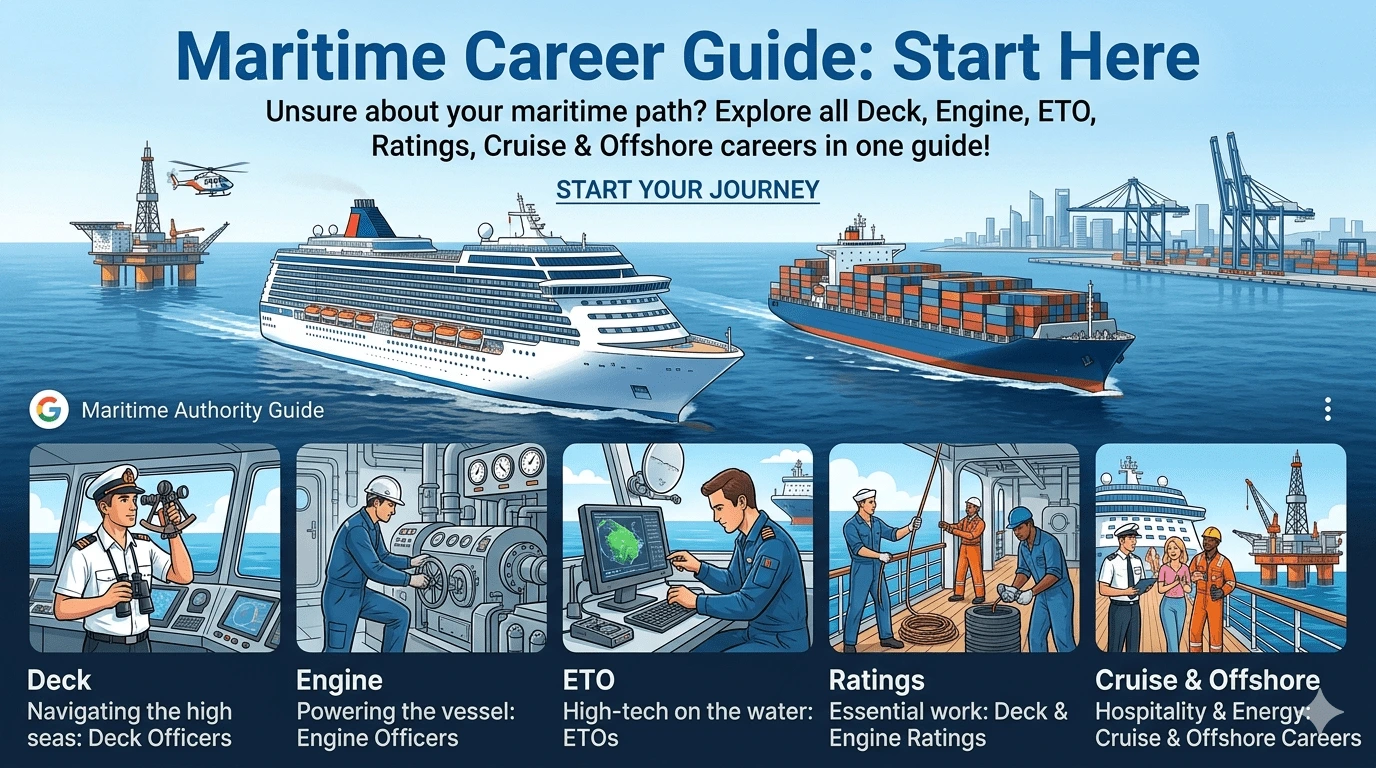
Entry-level ship jobs usually include deck cadet, engine cadet, trainee ETO, GP rating, OS, wiper, junior electrician support roles, and in some fleets hospitality or utility roles on passenger vessels. The right starting point depends on your training path, certificates, and whether your goal is officer progression, ratings work, technical support, or service roles.

Many freshers waste time applying to vacancies that are not truly entry level. A good first filter is simple: if the role clearly asks for previous sea time in the same rank, it is usually not the best starting target unless you already have equivalent trainee exposure or sailing history.

How to choose the best first role

Choose a role that matches both your qualification and your long-term direction. If you come from nautical training and want officer progression, cadet routes usually make more sense than generic ratings applications. If you come from ratings preparation, GP rating, OS, or wiper roles may be more realistic starting points.

The best first job is not always the one with the most attractive vessel name. It is the one that you are genuinely eligible for, that gives you documented sea time or vessel exposure, and that helps you become more employable for the next contract.

How freshers get shortlisted faster

Freshers usually get shortlisted when they look join-ready. That means a cleaner CV, complete documents, a realistic target role, and faster responses to company communication. Employers know freshers may have limited experience, but they still expect seriousness and professional presentation.

Use targeted company pages, rank hubs, and vessel-specific pages to narrow your search by rank, vessel type, or company, and use company profiles to understand where fresher roles are more likely. This approach saves time and improves the quality of your applications, especially when you are applying with limited experience.

Common mistakes first-time candidates make

A frequent mistake is thinking the first application must be perfect before sending anything. In practice, you improve by applying consistently and learning from response patterns. Another mistake is ignoring basic professionalism: incomplete documents, poor email writing, or unrealistic salary expectations can hurt freshers quickly.

Freshers also sometimes chase only big company names while ignoring smaller but genuine hiring paths. The goal of the first contract is to get onboard experience, learn, and create the foundation for better opportunities. A realistic first step is often smarter than waiting too long for an idealized one.

How to become more shortlistable in the next 30 days

If you are not getting responses, spend the next month improving practical things: clean your CV, update your document pack, improve file naming, build a target company list, and prepare short professional application messages. These actions are often more effective than endlessly editing generic profile text.

Also keep track of which roles fit you best. Over time, patterns will emerge. If employers respond more to cadet profiles than ratings roles, or to tanker-related companies more than cruise companies, that feedback helps you narrow your search toward the positions where you are most competitive.

Related ship job searches

Related maritime guides

Next steps

Entry level ship jobs guide | JobInShip