
How cruise ship hiring is different
Cruise ship hiring is broader than standard cargo fleet hiring because it combines marine operations with hotel, catering, guest services, housekeeping, entertainment, retail, medical, and technical departments. That means the hiring logic is also different. Some candidates are assessed as seafarers, some as hospitality professionals, and some as a mix of both depending on the role.
Cruise companies also care more about service behavior, grooming, spoken English, teamwork in multicultural environments, and contract stamina. Even for technical roles, the passenger-service environment influences how candidates are assessed compared with cargo or tanker fleets.
Main departments and common entry routes
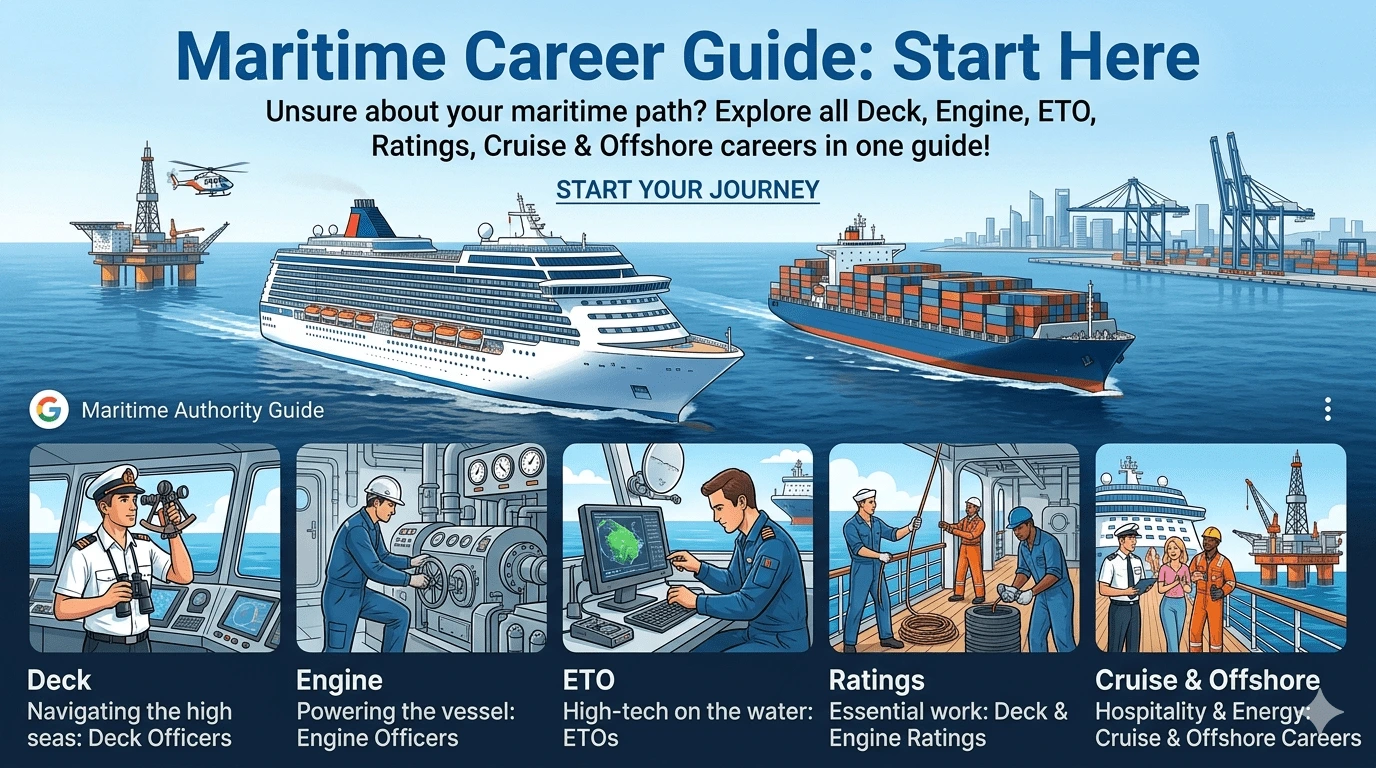
On the marine side, cruise ships still hire deck officers, engineers, ETOs, ratings, and technical support staff. On the hotel side, there are openings in galley, housekeeping, restaurant service, front office, retail, bar operations, and entertainment support. The best entry route depends on whether your background is maritime, hotel, culinary, mechanical, electrical, or guest-facing.
Candidates sometimes apply to cruise roles without understanding which department they are suited for. A cargo-sea CV does not automatically fit a guest-services role, and a hotel-heavy CV does not automatically fit deck or engine roles. Match the department first, then tailor the application.
What cruise recruiters usually check
Cruise recruiters often focus on English communication, recent customer-facing experience where relevant, medical fitness, appearance and professionalism, ability to live in structured shared environments, and whether the candidate understands longer contract rhythms. For marine roles, they still check certificates and sea-time relevance, but interpersonal fit matters more than many applicants expect.
If your role interacts with passengers, your CV should show service standards, communication ability, and teamwork, not just tasks completed. If your role is technical, your CV should still be clear and well-presented, but it must show vessel systems, maintenance exposure, and department-specific readiness.
How to write a stronger cruise application
Tailor your CV around the department you want. For hospitality, mention guest interaction, service volume, international standards, languages, POS or hotel systems, and contract-based work. For technical roles, mention machinery exposure, department responsibility, safety routines, and passenger-vessel or high-service-environment experience if you have it.
Avoid sending the same generic application you would use for any cargo ship job. Cruise employers can tell quickly when an application was not prepared for their sector. A short targeted message with the right department focus usually performs better than a long all-purpose application.
Typical challenges of cruise employment
Cruise work can look attractive from outside, but candidates should be realistic about contract length, shared living conditions, guest pressure, high service expectations, and intense operational routines during embarkation, turnaround, or peak passenger periods. Some people are technically qualified but not well suited to the service environment.
Before targeting cruise employers, ask whether you prefer passenger-facing work, structured service standards, and long periods at sea with limited personal privacy. The best cruise candidates are not only eligible. They are genuinely comfortable with the pace and culture of cruise operations.
How to target better cruise opportunities
Use company profiles and active vacancy patterns to identify employers that regularly hire in your department. Some cruise employers recruit heavily for hotel and catering; others show more technical and marine demand. You save time when you apply where your background naturally fits instead of treating all cruise companies as the same.
If you are entering the cruise sector for the first time, prioritize roles that connect well with your existing experience. Once you build relevant vessel exposure, your profile becomes much stronger for future contracts within the cruise segment.
Related ship job searches
Related maritime guides
Next steps